Cold temperatures and winter storms across much of the United States tested the electric system over the last half of January.
Great River Energy and its member-owners successfully kept service reliable thanks to a dependable and diverse portfolio of power supply resources, a strong transmission system and strategies to manage energy demand.
As temperatures plunged, electricity demand surged
The region’s grid operator, MISO, entered conservative operations for a period of time, which is a precaution requiring utilities to pause non-critical maintenance and prepare all available resources.
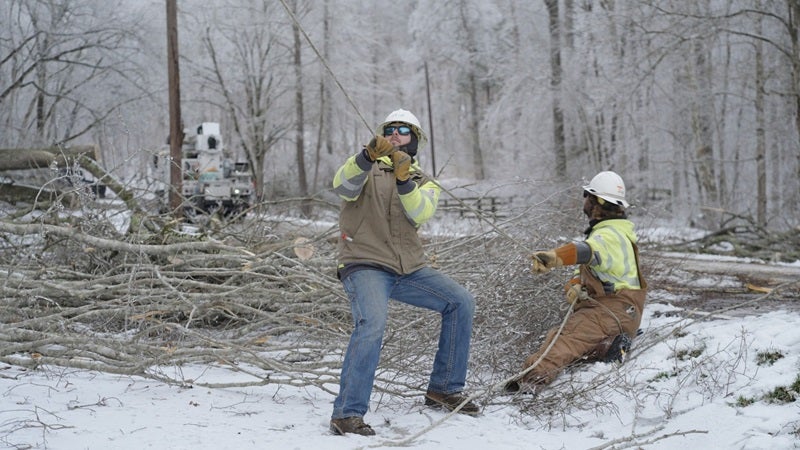
Great River Energy answered the call by closely monitoring its power supply and transmission network. Great River Energy’s systems operations staff were prepared and guided the organization through the worst of the arctic blast.
“Our transmission system operated seamlessly through the cold weather, with no significant transmission events,” said Great River Energy System Operations Director Mark Peterson. “Despite the challenges posed by the extreme cold and increased electricity demand, our team maintained close oversight of the system, ensuring reliable delivery of power across our network. This performance reflects the strength of our infrastructure, the effectiveness of our operational strategies, and the dedication of our staff, all of which are crucial for serving our communities during severe weather events.”
Dual fuel capability proved essential
Winter cold can be particularly challenging for the electric system, as natural gas is an important fuel for both home heating and electricity generation constraining supply and leading to increased pricing.

“With so much demand for natural gas, our ability to generate electricity with fuel oil became essential,” said Great River Energy’s Generation Strategy and Resiliency Director Nathan Domyahn. “Having fuel oil as a backup resource allowed us to maintain reliable electricity service for our members even when natural gas was in high demand. This flexibility in our generation strategy proved crucial in ensuring we could meet the needs of the communities we serve during this challenging winter weather.”
Fuel oil backup was installed at Great River Energy’s Cambridge Peaking Station in late 2025. Now all of the cooperative’s natural gas peaking stations are equipped with backup fuel.
During past winters energy demand was met with strong wind production, however with this latest cold spell wind energy was relatively minimal. Production picked up on Jan. 25, providing an important energy source as the winter weather continued into a second week.
Demand response helps with costs and reliability
Great River Energy’s robust demand response program also played a key role. The cooperative strategically dispatched participating electric space-heating, water-heating and other interruptible devices to reduce market energy purchases during periods of peak pricing. These voluntary programs help manage system demand while providing cost benefits to participating consumer-members.
“These programs are always valuable, but their contributions to reliability and affordability are amplified when the electric system is constrained and electricity prices are elevated,” said Jeff Haase, Great River Energy’s director of member services, distributed energy resources and end-use strategy. “Our demand response initiatives not only help stabilize the grid but also protect our members from sharp increases in energy costs. By working together with our consumer-members and leveraging these programs, we’re able to provide consistent and affordable service, even in the most challenging conditions.”
Cooperation among cooperatives
Several of Great River Energy’s member-owner cooperatives sent lineworkers to Virginia ahead of Winter Storm Fern to assist with possible outages:
• BENCO Electric Association
• East Central Energy
• Lake Region Electric Cooperative
• McLeod Cooperative Power
• Meeker Energy
• Mille Lacs Energy Cooperative
• Nobles Cooperative Electric
• Steele-Waseca Cooperative Electric
• Wright-Hennepin Cooperative Electric Association
Minnesota co-op lineworkers head to Virginia for restoration efforts
Sixty lineworkers from more than a dozen Minnesota electric cooperatives headed to Virginia to assist Rappahannock Electric Cooperative recover from what is now called “Winter Storm Fern,” which brought extreme weather with a mix of ice, snow and frigid conditions — causing significant infrastructure damage and power outages.
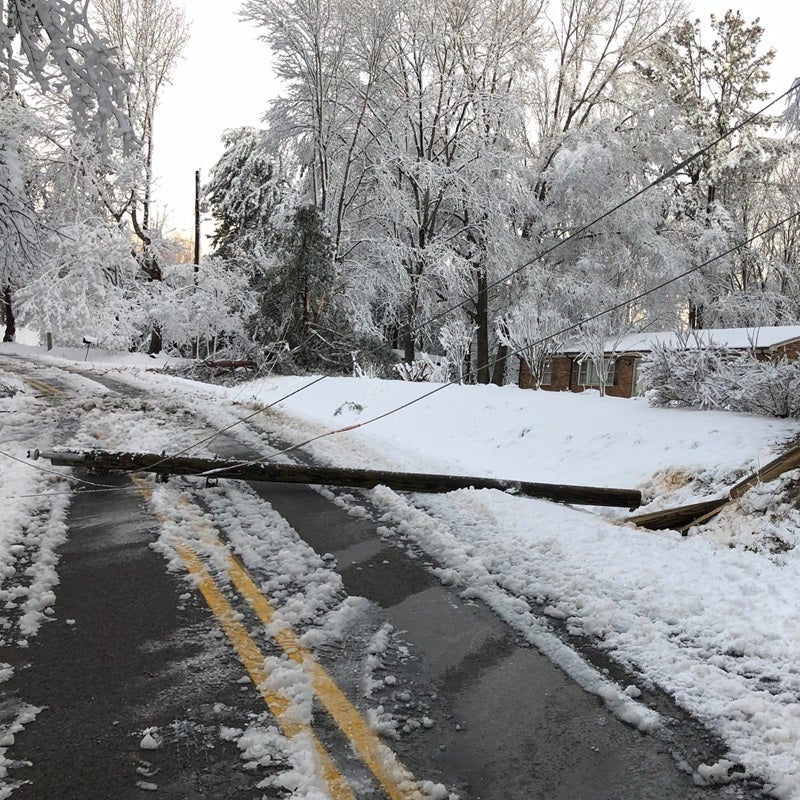
This work was done as part of a mutual aid effort, a long-standing agreement among electric cooperatives nationwide to support one another during emergencies.
“As electric cooperatives, we operate under seven guiding principles, including ‘cooperation among cooperatives,’” said Darrick Moe, president and chief executive officer of the Minnesota Rural Electric Association. “When a community is hit by severe weather, co-ops don’t hesitate to step up for one another. Our lineworkers are answering that call in Virginia while many are also battling frigid winter conditions here at home.”
Cooperatives in the eastern half of the country monitored weather forecasts, staged equipment and solicited mutual aid from other co-ops as they prepared for the severe weather. As the storm moved through, crews worked to repair downed lines, replace damaged poles and restore power as safely and quickly as possible. Ice storms can cause especially dangerous conditions, coating equipment and roadways and increasing the complexity of restoration work.
“These lineworkers understand what it means to serve,” Moe said. “They go where they’re needed most, often in difficult and dangerous conditions, because that’s what cooperation and concern for community look like in action.”